How I work · July 11, 2026
Why every room on this site comes in five decors
Staging shows you one person's taste and an empty room shows you nothing. There's a third option, and it needs to be explained honestly before anyone gets the wrong idea about what they're looking at.
Izu Elechi· 5 min read
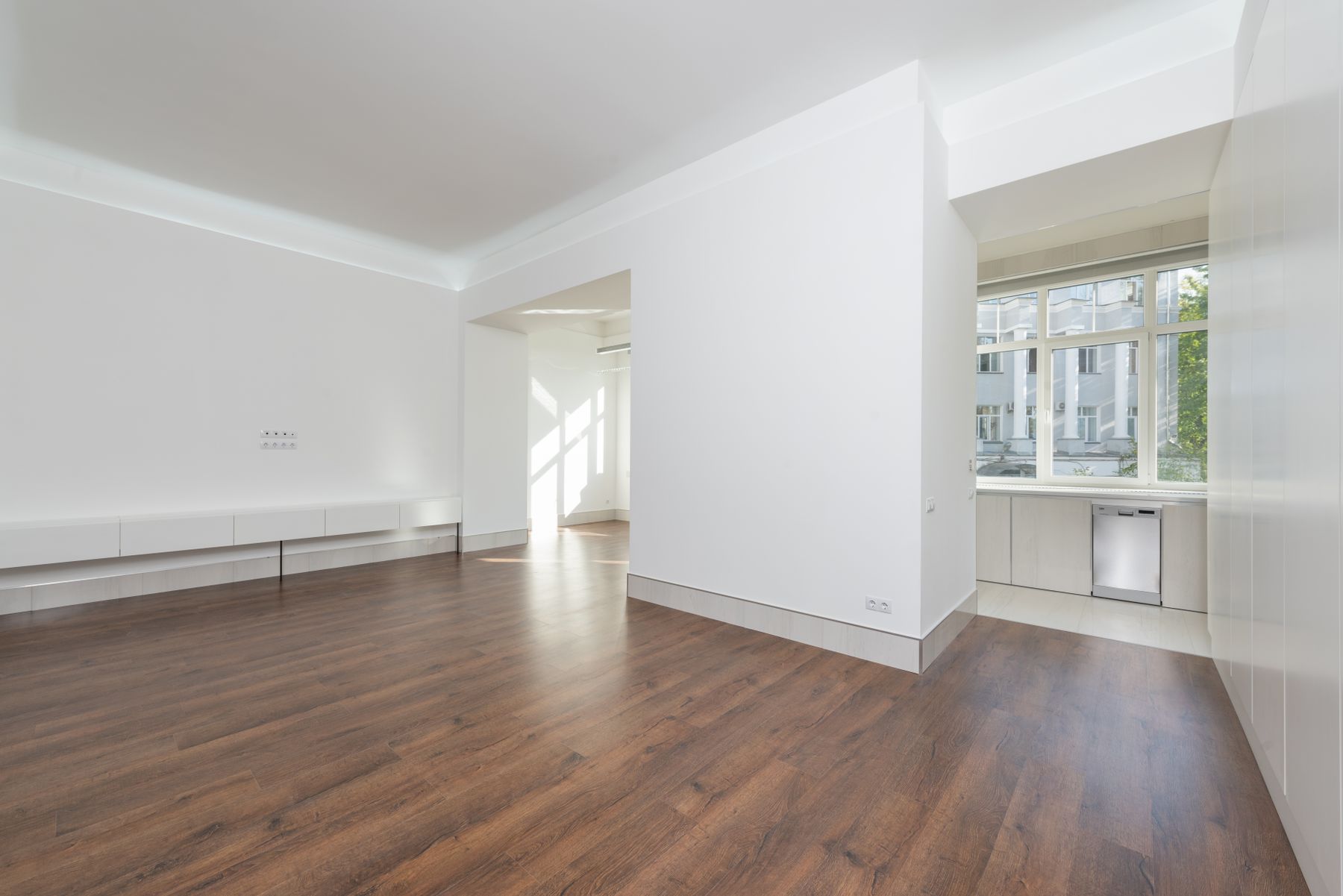
There are two ways the industry normally photographs an empty house, and both of them are bad.
The first is to shoot it empty. This is honest and almost useless. Most people genuinely cannot look at a bare room and work out whether their sofa fits, whether it would feel warm, whether they'd want to sit in it on a Sunday. Rooms without furniture read as smaller and colder than they are, and buyers reliably undervalue them.
The second is to stage it. Somebody trucks in a grey sectional, a fiddle-leaf fig and three books about architecture, and photographs that. This solves the imagination problem and creates a new one: you're now looking at somebody else's taste, presented as though it were the house. Staging is also expensive enough that it happens on the two-and-a-half million dollar listings and not on the one-point-two.
The third option
Every room photograph on this site can be flipped through a set of decor styles. The same room, photographed once, shown furnished as Scandinavian, mid-century, cottagecore, old-fashioned, or whatever else I've added since I wrote this.
The point isn't that any of them is what the house looks like. The point is that after you've flicked through four of them, you have a much better sense of the room's proportions, where furniture wants to go, and what the light does — because you've now seen it inhabited four different ways instead of zero.
What I will not do with it
This is the part that matters, so I'll be blunt about it.
The instruction the image model gets says, in more words: keep the room exactly as photographed. Same camera angle. Same walls, windows, doors, ceiling height, built-ins. Same view out of the window. Same time of day and direction of light. Change only what a person could change in an afternoon with a van — furniture, rugs, textiles, lamps, art, objects. Paint, sometimes, where the style calls for it.
What that rules out is the thing you should worry about. No widened rooms. No windows added. No removing the neighbour's wall from the view. No fixing a crack by furnishing over it.
Every restyled image is labelled as one on the page, and the real photograph is one button away at all times. If you hold down "compare" you get the room as it actually is, immediately.
Why I bothered
Because the alternative is what everybody else does, and what everybody else does costs the seller two thousand dollars in staging or costs the buyer the ability to picture the place.
Also, honestly, because it's fun. Watching somebody flip a 1926 Sunset living room from Scandinavian to cottagecore and go "oh — that's what I want" tells me more about what to show them next than twenty minutes of questions ever has.
If you'd rather not
Some people find AI-generated images off-putting on principle, and that's a legitimate position. Every listing has the real photographs, in full, unretouched, as the default view. Nothing is hidden behind the decor switcher. If you never touch it, you have lost nothing at all.
While you're here
Looking for a house on this side of town?
I list a handful at a time and know most of the others before they're public.