Neighborhoods · July 24, 2026
What the fog actually does to a house
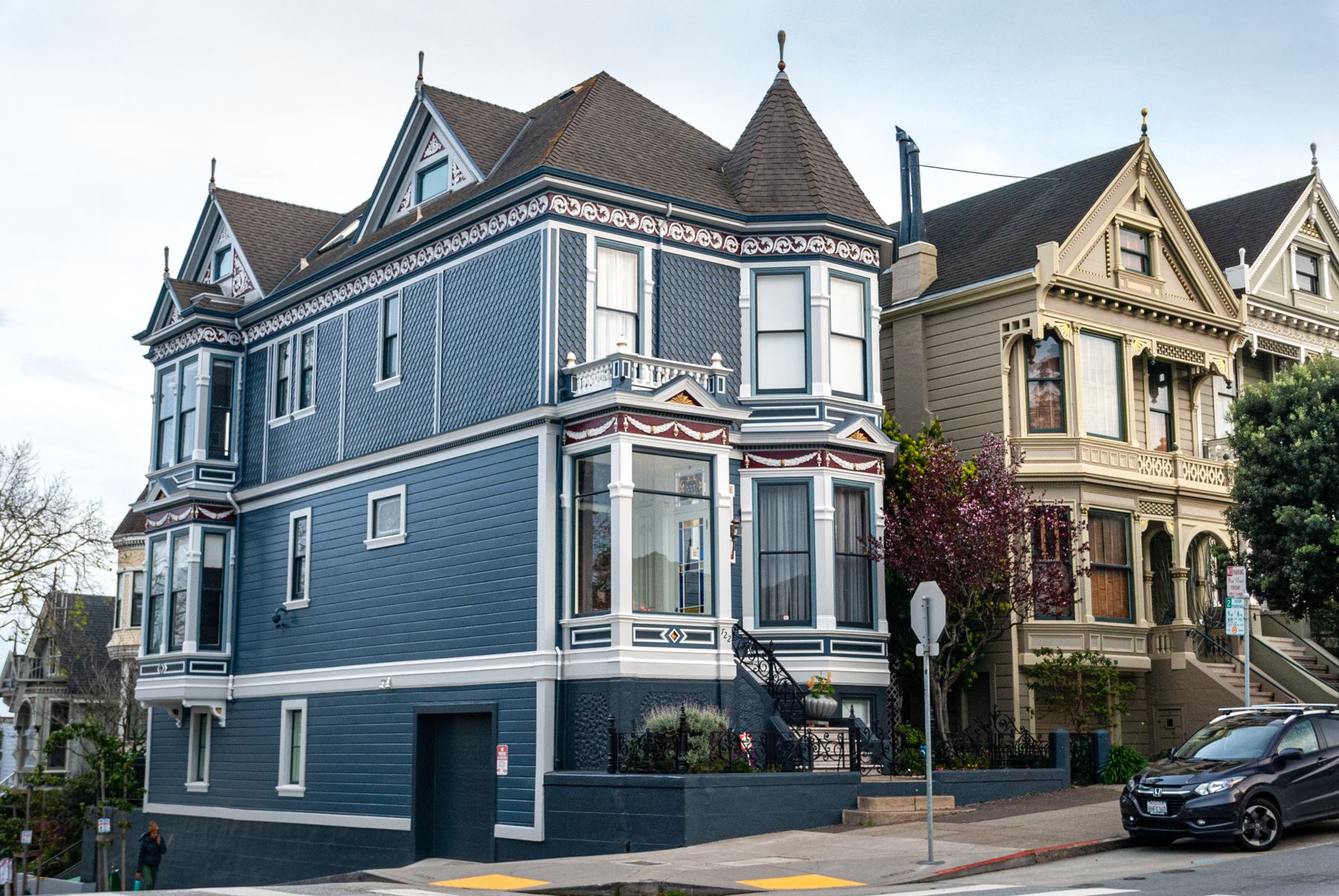
Everyone west of Twin Peaks jokes about the fog. Fewer people know what thirty years of it does to window sashes, paint, and the crawl space under a 1920s Sunset bungalow.
Izu Elechi· 6 min read

People move to the Sunset and the Richmond knowing about the fog. They've stood on Judah in August in a fleece. What they usually haven't thought about is that the same fog has been sitting on the house they're about to buy for a hundred years, and that it leaves a record.
Here is what I actually look for, in the order I look for it.
Window sashes, before anything else
On a west-side house the original single-pane wood sashes take the worst of it. Marine air is salt-bearing and it condenses on cold glass overnight, every night, for decades. The water runs down and sits in the bottom rail of the sash. That's where rot starts, and that's where I put a thumbnail.
If the bottom rail gives under a fingernail, you're looking at sash repair on the exposed elevation. On a full-width Victorian front with six or eight windows that's real money — figure two to four thousand a window if you're restoring rather than replacing, and considerably more if the house is in a historic district and you can't just drop in vinyl.
What I don't do is treat this as a reason to walk away. Almost every unrestored house on the west side has some version of it. It's a reason to know the number before you write the offer.
The paint tells you the maintenance history
Exterior paint on a fog-side house is a four-to-seven year job, not the ten-to-twelve you'd get in Noe. When a seller tells me the house was painted "a few years ago" and the south and west elevations are chalking while the north is fine, that's a house that got a cheap single-coat job. When all four elevations look even, somebody spent properly and prepped properly.
It's the single most reliable tell I know for how the rest of the house was maintained. A person who cheaps out on paint on the fog side has usually cheaped out somewhere you can't see.
Under the house
This is the part people skip because it involves a crawl space and a flashlight, and it's the part that matters most.
Sunset and Outer Richmond houses sit on sand. Sand drains beautifully, which is good, but the crawl spaces are often unvented or badly vented, and marine air that gets in doesn't get back out. What you're looking for is white efflorescence on the foundation, dark staining at the base of the posts, and — the real one — whether the sub-floor insulation is sagging. Sagging batts mean they got wet at some point and never fully dried.
A dry-looking crawl space in a fog-belt house is worth more to me than a new kitchen. One of them is expensive to fix and the other one is a weekend and a credit card.
What people worry about that doesn't matter much
Mould inside the living space, mostly. It comes up in every conversation and it's almost never the issue people expect. The interiors of these houses are dry — they're heated, they're occupied, air moves through them. The problems live at the envelope and under the floor, not in the bedroom closet.
The other one is "the house never gets sun." Some of them genuinely don't, and if that's going to bother you it will bother you every single day. But the difference between a north-facing Sunset house and a south-facing one two blocks over is much larger than people assume from a Saturday afternoon viewing. Go back at nine in the morning on a weekday. Go back at four.
The short version
Fog-belt houses are not worse houses. They're houses with a specific and very predictable maintenance profile, and the ones that have been looked after are some of the best-built stock in the city — old growth fir, real plaster, framing you couldn't afford to replicate today.
You just want to know which one you're buying before you find out.
While you're here
Looking for a house on this side of town?
I list a handful at a time and know most of the others before they're public.