The market · June 19, 2026
The nine-day sale on Fairmount, and what it actually taught me
A Glen Park mid-century went into contract nine days after listing, over asking, to the second family through the door. Everyone wants the lesson to be about pricing. It wasn't.
Izu Elechi· 4 min read
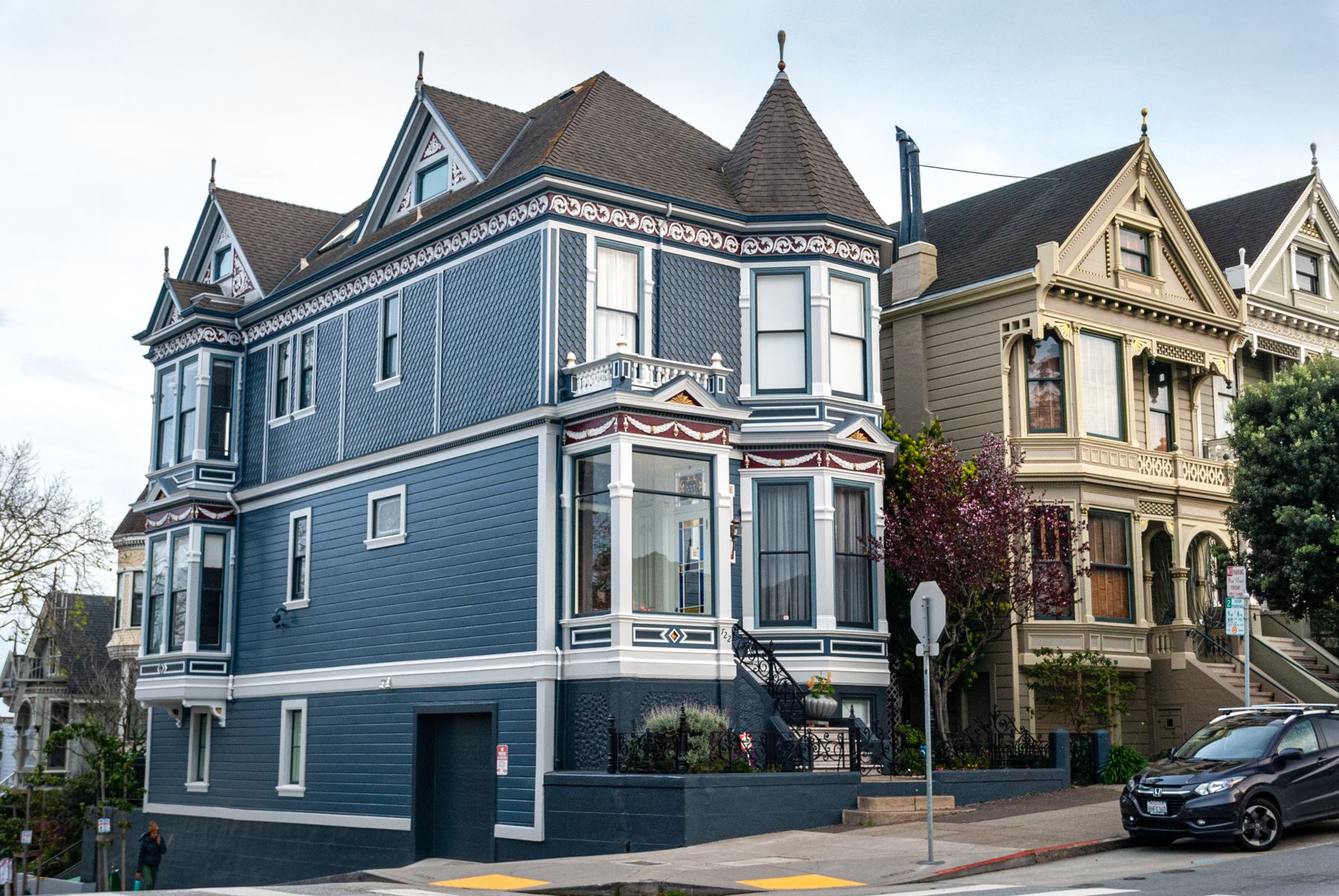
55 Fairmount went on the market on a Thursday and was in contract by the following Saturday, over asking, to a family who had walked through it on the first day.
When that happens, everybody in the business tells the same story about it: we priced it correctly. It's a comfortable story because it credits the agent. It's also, in this case, not really what happened.
What actually happened
The house was a 1958 three-bedroom with the original clerestory windows and a flat back lawn, on a street where almost nothing sells. The sellers had been in it thirty-one years. It was clean, it was tired, and it had a kitchen from 1994.
We listed slightly under what the comparables supported — not as a strategy, but because two of the three comparables were substantially renovated and this one wasn't, and pretending otherwise would have wasted everybody's June.
The buyers who got it had seen eleven houses in four months. They told me afterwards that Fairmount was the first one where the listing had said, out loud, what was wrong with it. The description mentioned the kitchen. It mentioned that the downstairs bathroom had been added without a permit in the eighties and that we had the paperwork trail for it, such as it was.
That's it. That's the whole thing.
They didn't offer over asking because the price was clever. They offered over asking because after eleven houses they had finally found a listing that wasn't performing at them.
Why this is hard to repeat
The reason more listings don't do this isn't ignorance. It's that writing down the flaw feels, in the moment, like handing money away. Every instinct says: let them find the unpermitted bathroom on the inspection, in week three, when they're already emotionally committed.
The trouble is that discovering it in week three is exactly when it costs the seller the most. It's the moment a buyer starts renegotiating, or walks, and either way you've burned three weeks and the listing goes back on the market wearing a stale date.
Disclosing it in week zero costs you the buyers who were never going to be comfortable with it — who were going to walk in week three anyway — and it buys enormous credibility with the ones who stay.
The number
For the people who want the number: it went for four percent over asking, which in a Glen Park mid-century in June 2026 is unremarkable. What's less unremarkable is that it did it with one weekend of showings, no price adjustment, no second round, and a clean inspection contingency release, because there was nothing left in the inspection to surprise anybody with.
Nine days is not a bragging right. It's just what happens when nobody has to spend three weeks finding out what you already knew.
While you're here
Looking for a house on this side of town?
I list a handful at a time and know most of the others before they're public.